
Many small and medium-sized businesses lose customers long before anyone on the team
realizes something is wrong. The warning signs rarely show up as direct complaints. They hide in:
- slow replies
- unanswered messages
- inconsistent information
and support teams who are stretched too thin to notice the pattern.
These issues rarely appear as dramatic failures. They show up quietly: an email that doesn’t get
answered until the next morning, a chat message that slips between shifts, or a customer who
receives two different answers to the same question.
Each instance feels small, but together they shape how customers decide whether to return or
look elsewhere.
Our team studies these patterns regularly inside SMB operations. The same gaps appear again
and again, and they cost businesses sales they could have kept with a smoother support
system. AI tools offer a way to repair these gaps quickly by handling repetitive tasks, organizing
information, and sending timely replies while keeping the human team focused on the situations
where their judgment matters.
Slow replies lower customer confidence
Customers often expect quick clarification when they reach out, especially when they’re deciding whether to book, order, or purchase. Many SMBs still operate on response times measured in hours, sometimes longer. Staff members usually juggle multiple responsibilities, so delays don’t feel unusual internally, but they affect customers more than teams realize. An AI assistant can respond immediately to common questions, keep conversations moving, and push complex issues to a person without slowing the customer down. When support starts on time, customers are less likely to drift toward another business for faster answers
Missed messages create invisible losses
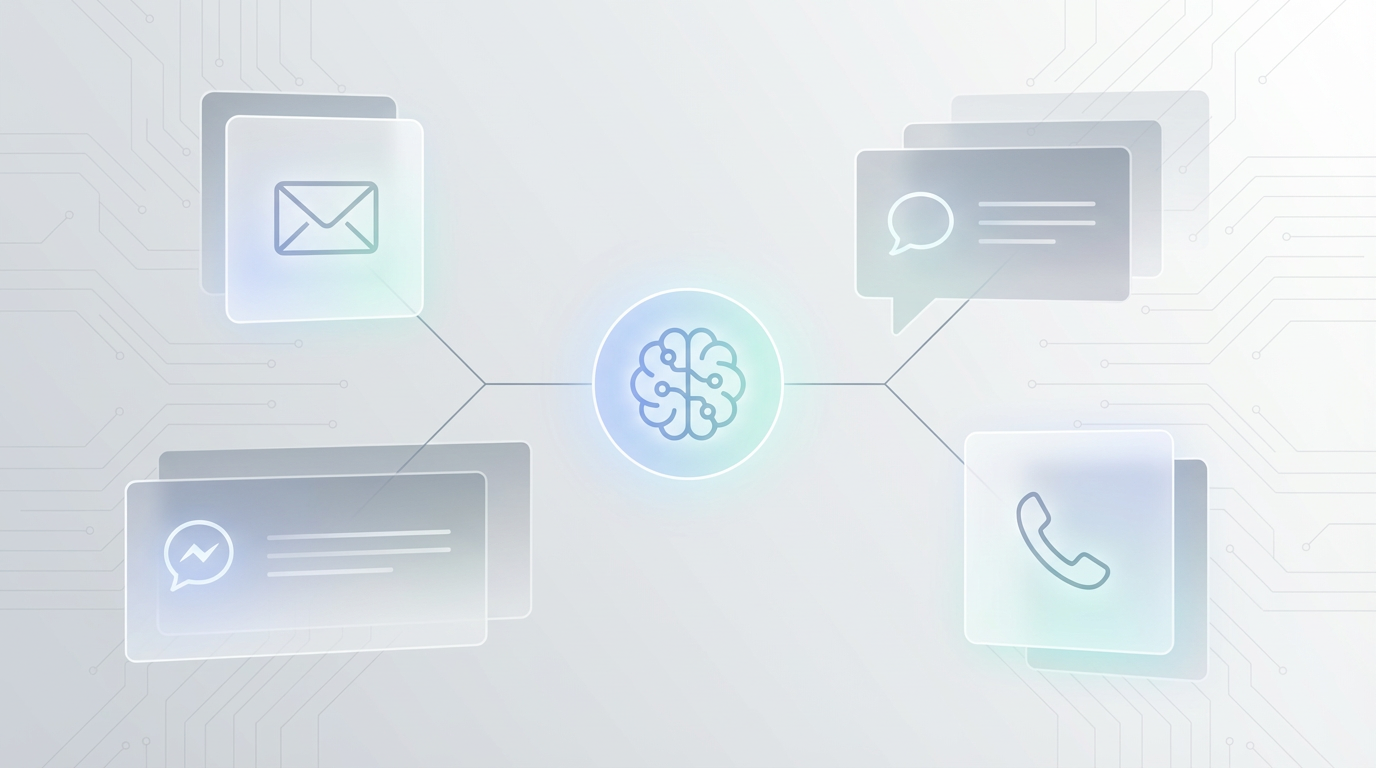
Support teams manage a mix of channels:
- social media DMs
- contact forms
- phone calls
- chat widgets
It’s easy for something to slip through the cracks. A message stuck in a spam folder or a DM sent during off-hours can cost a potential sale.
AI tools centralize these channels and reduce the number of messages that go unanswered. They can reply to routine questions, flag urgent ones, and store everything in one place so nothing disappears overnight. This keeps more conversations alive and protects revenue that previously slipped away unnoticed.
Inconsistent answers break customer trust
Customers expect clear and accurate information. When answers differ depending on who responds or when, confidence drops. Staff often rely on memory or outdated documents, especially when policies change or new team members join.
AI assistants rely on up-to-date information provided by the business, which leads to consistent responses across every interaction. The system reflects current pricing, policies, product details, and service information, creating a predictable experience for customers.
Overloaded teams make mistakes
Most SMB support teams manage far more than direct customer questions.
They jump between tasks throughout the day:
- in-person interactions
- order processing
- scheduling
- digital communication
This workload increases the chance of errors, delays, or missing context.
AI takes on repetitive and low-stakes interactions so teams can concentrate on situations that require personal attention. With fewer interruptions, staff members have more time for thoughtful problem-solving and can offer better care where it matters most.
Limited availability affects buying decisions
Many customer questions arrive outside standard business hours. If a customer cannot get clarity right away, they may move on to a competitor who offers immediate replies. This pattern affects bookings, online sales, and inquiries that could have turned into long-term relationships.
AI assistants operate continuously. They answer questions at night, guide customers through decisions, and collect essential details before the human team arrives the next morning. By the time staff members start their day, conversations are already organized and ready for follow-up.
Customers who leave rarely explain why
Most customers don’t announce the moment they lose interest. They simply stop engaging.
When response times slow down, or information feels inconsistent, they drift toward a business that communicates more smoothly.
AI reduces the friction points that push customers away. Faster replies, organized messages, and accurate information help maintain momentum in conversations. As these improvements add up, the customer experience becomes more reliable, and loyalty builds naturally.
AI tools resolve support gaps quickly
AI isn’t a complex or high-cost solution reserved for large enterprises.
It’s a practical tool that helps small teams deliver better support without restructuring operations.
When repetitive tasks move to AI, teams gain more time, response times shrink, and customers receive clearer information.
This shift leads to better accuracy, reduced workloads, higher satisfaction, and more repeat business. Most SMBs don’t need an overhaul. They need a few targeted AI workflows that prevent small issues from turning into lost customers.
Where to start if you want to improve your support workflow
Businesses that want to tighten their support operations often see the biggest gains once they map their current gaps and choose a few focused AI workflows to handle routine communication.
If you’re exploring how these tools could fit into your support system, our team can walk you through the options, review your existing processes, and outline a practical plan tailored to your daily workload.
Reach out if you’d like support in designing or implementing an AI-driven setup that improves response times and reduces pressure on your staff.
